
Leading Tools And Materials For Successful Concrete Installations
Get insights into the most effective products designed to deliver quality and consistency in your concrete projects.
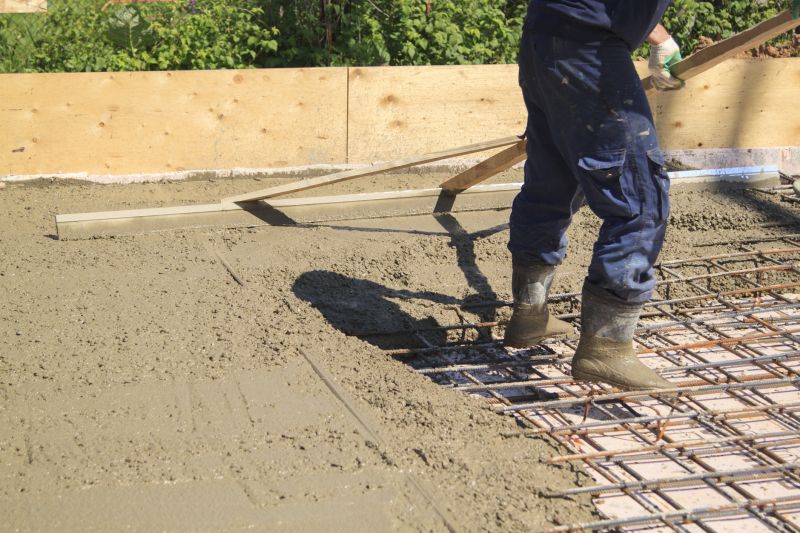 Concrete installations are a fundamental aspect of construction and renovation projects in Reno, NV. Whether you're pouring a new driveway, creating a sturdy foundation, or installing decorative concrete features, selecting the right products is essential for achieving durable and professional results. The process often involves various materials and tools designed to prepare, pour, finish, and cure concrete effectively. From concrete mixes to finishing tools, the right equipment can make a significant difference in the quality and longevity of your project. Understanding the different types of products available can help homeowners and contractors alike make informed decisions tailored to their specific needs.
Top Overall Option
Concrete Mixing and Pouring System
A comprehensive concrete mixing and pouring system that includes a durable mixer, adjustable chute, and ergonomic handles can streamline the process from preparation to placement. This type of product is versatile and suitable for various project sizes, helping to ensure consistent mixing and efficient pouring. While it requires proper operation, it offers a reliable solution for achieving uniform concrete consistency and reducing labor effort.
Types of Products For Concrete Installations
Concrete Mixes
Pre-blended concrete mixes designed for different applications, including standard, high-strength, and decorative varieties, suitable for various project needs.
Reinforcement Materials
Rebar, wire mesh, and fiber reinforcement options that add strength and stability to concrete structures.
Formwork and Molds
Reusable or disposable forms that shape the concrete during pouring and setting, available in various sizes and materials.
Concrete Mixers
Portable or stationary mixers that facilitate thorough blending of concrete components before pouring.
Concrete Pumps
Equipment that helps place concrete efficiently in hard-to-reach areas or large-scale projects.
Trowels and Floats
Tools used for finishing and smoothing freshly poured concrete surfaces.
Edgers and Groovers
Tools to create clean edges and control joints for crack prevention and aesthetic appeal.
Curing Compounds and Sealers
Products that retain moisture and protect the concrete during the curing process, enhancing durability.
Waterproofing Products
Sealants and membranes that prevent water infiltration and protect against moisture damage.
Repair and Patching Materials
Mortars and compounds designed for fixing cracks or surface imperfections post-installation.
Surface Texturing Tools
Tools and mats used to create decorative textures or slip-resistant surfaces on concrete.
Expansion Joints
Materials used to accommodate movement and prevent cracking in concrete slabs.
Vibration and Compaction Equipment
Vibrators and tampers that help eliminate air pockets and ensure proper compaction of the concrete.
Safety Gear
Protective gloves, goggles, masks, and clothing essential for safe handling of concrete materials.
Popular Choices
Widely used for small to medium projects, these mixers offer mobility and ease of use.
Popular for surface protection and finishing, sealers help enhance appearance and longevity.
Common reinforcement options that add structural integrity to concrete slabs and walls.
Essential for compacting concrete during pouring, reducing voids and improving density.
Popular for achieving smooth, level surfaces on freshly poured concrete.
Used to create decorative patterns and textures on concrete surfaces, trending in decorative projects.
Commonly applied to protect below-grade concrete structures from moisture intrusion.
Popular for large slabs and pavements to allow movement and prevent cracking.
Effective for maintaining moisture during curing, especially in variable climates.
Frequently used for repairs and surface restoration of existing concrete.
Popular for creating textured and patterned concrete surfaces for aesthetic appeal.
Commonly used to produce clean, defined edges on slabs and walkways.
Trending for decorative finishes and slip-resistant surfaces.
Proper preparation is key to successful concrete installation. This includes selecting appropriate forms, reinforcement materials such as rebar or wire mesh, and curing compounds to ensure the concrete sets correctly. During the pouring stage, products like concrete mixers and pumps facilitate efficient placement, especially for larger projects. Finishing tools such as trowels, floats, and edgers help achieve a smooth, level surface, while sealers and protective coatings are applied afterward to enhance durability and appearance. Maintenance products, including repair mortars and patching compounds, are also vital for long-term upkeep.
In Reno's climate, which can experience temperature fluctuations and moisture variability, choosing products that accommodate these conditions can improve the lifespan of concrete installations. Temperature control admixtures and waterproofing sealers are common considerations. Additionally, safety equipment such as gloves, goggles, and masks should be incorporated into the project to ensure safe handling of materials. With a broad range of products designed specifically for concrete work, selecting the right combination depends on project scope, environmental factors, and desired outcomes. Proper planning and product selection can lead to successful concrete projects that stand the test of time.
Key Buying Considerations
- Project size and scope to determine the volume and type of materials needed.
- Environmental conditions such as temperature and moisture levels that may affect curing and durability.
- Type of concrete mix suitable for the specific application, including strength and finish requirements.
- Reinforcement options to ensure structural integrity based on load and use.
- Compatibility of formwork and molds with the project design and complexity.
- Ease of use and portability of equipment like mixers and vibrators for efficiency.
- Durability and resistance features, especially for outdoor or high-traffic areas.
- Curing and sealing products that match the project’s longevity goals.
- Safety features and protective gear necessary for safe handling and application.
- Budget constraints that influence product quality and quantity.
- Availability of replacement parts and customer support for equipment.
- Compatibility of finishing tools with the desired surface texture and appearance.
- Long-term maintenance and repair needs for the installed concrete.
- Local climate considerations that may require specific additives or protective products.
- Compliance with local building codes and standards for concrete installations.